
Skin Cancer Cells Vs Benign Moles: Exactly How To Tell The Difference

Karry
2026.07.11 20:04
20
0
본문
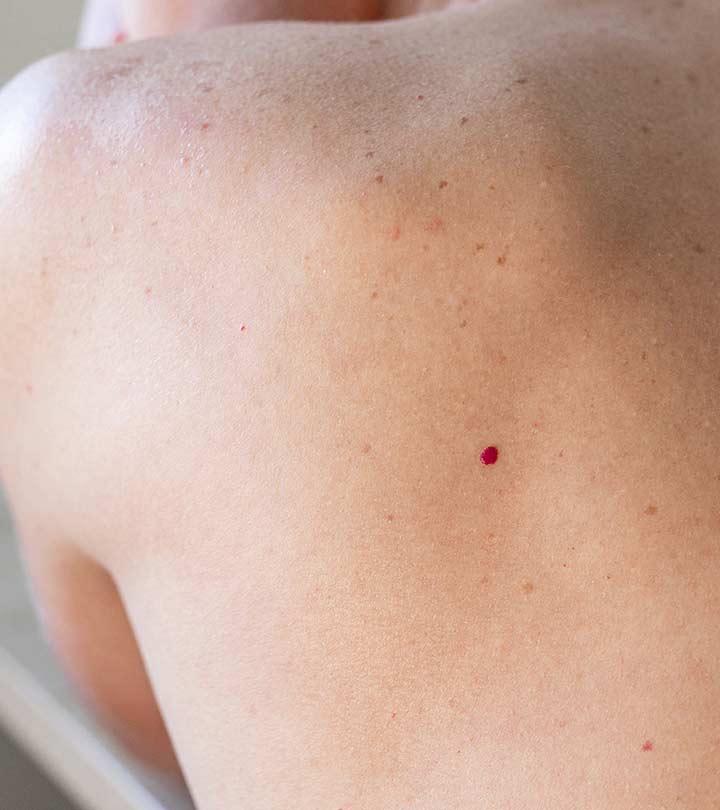 The boundaries of benign moles tend to be smooth and also, whereas skin cancer cells lesions frequently have irregular, jagged, or obscured sides. Benign moles usually have a consistent color, such as brown or black, while skin cancer cells sores might display multiple shades, including tones of brown, black, red, white, or blue. The diameter of the mole is also important; benign moles are typically smaller sized than 6mm (regarding the dimension of a pencil eraser), while skin cancer cells lesions might be larger and continue to expand in time. Skin cancer is a serious condition that occurs when skin cells grow frantically.
- It most often occurs on the nose, forehead, ears, lower lip, hands, and various other sun-exposed locations of the body.
- Beginning skin cancer describes cancer cells that is still limited to the leading layers of the skin and has not spread out deeper into tissues or to various other parts of the body.
- In darker skin, melanoma might appear in much less sun-exposed locations, like the hands, soles, or under nails.
- Most moles are benign, meaning they are not cancerous and present no threat to your wellness.
- When captured early, many skin cancers are very treatable and often curable.
Recognizing what to search for might essentially save your life or the life of a person you care about. Allow's explore the important indicators of skin cancer you ought to never ignore and when it's time to consult with a dermatology service provider at Calkin & Boudreaux. When you recognize a benign sore, it can put your mind secure, and there may even be steps you can require to deal with the area by yourself.
Exactly how to inform if a skin sore is benign?
- Balance fit, colour and structure.Stable or gradually evolving.Absence of
- spontaneous bleeding(blood loss or ulcer may be due to current injury).
Typically, moles arise prior to the age of 20, and it's regular to have up to around 40 of these brownish or black places. A lot of moles are harmless and seldom turn into cancerous sores. When they do, it's more likely that the mole very first formed later on in your adult life and looks different than other moles on your body.
When Is A Mole An Issue?
To do so, the mole will certainly need to be biopsied and positioned under a microscope to learn more. If the skin lesion is malignant, your medical professional will work with an oncologist to figure out the very best course of action. Normal self-checks can help in finding melanoma in its beginning. If a mole has actually altered in shape, color, or size, maybe cancerous.
When captured early, a lot of skin cancers are highly treatable and frequently curable. When individuals notice a new or changing place on their skin, among the initial things they do is touch it. When any type of formation appears questionable or if your skin doctor is not sure of a diagnosis, they may recommend tissue sampling via a biopsy to rule specific medical diagnoses out. The majority of skin biopsies represent uncomplicated workplace treatments that yield important data for developing ideal treatment methods.
Comprehending Moles
Comprehending the different types of lesions and the offered therapy options can aid you make educated decisions concerning your treatment. A benign skin development is essentially a mass of cells that appears as a growth on the skin. Modifications in the regular genetic development and function of the skin also existing in various other methods such as discoloration or skin pigmentation conditions.
New and atypical moles can be an indication of cancer malignancy, sneak a peek at this website skin mole to bother with. Without treatment, this fast-growing kind of skin cancer cells can be dangerous. It can get into close-by tissue and infect other parts of your body, Rickey including your lungs, liver, or mind.
Regarding Cancer Malignancy
Or else, you will not need treatment for these unless their wart-like look troubles you. Many people are birthed with moles which often develop throughout childhood years and continue to develop via midlife. When individuals get to the age of 40 or 50, the development of new moles is much less common, and moles tend to discolor or might go away totally after midlife. A mole that does not have the exact same shade throughout or that has tones of tan, brownish, black, blue, white, or red is suspicious.
댓글목록 0